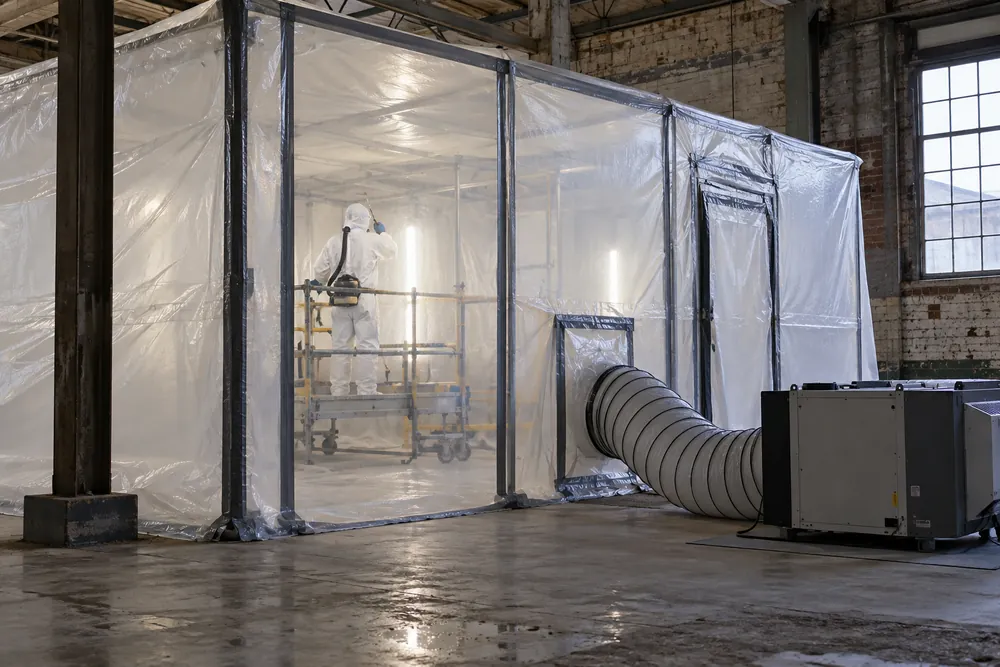
When Removal Is The Right Option
Asbestos removal may be appropriate where material is damaged, vulnerable to repeated disturbance or in the path of planned construction. A positive asbestos result does not automatically mean removal is the best option. Intact material that will remain undisturbed may be managed in place following a competent assessment.
For a facilities manager, the first practical question is what happens in that room next. A change of tenant, new ventilation route or strip-out can turn an otherwise manageable material into a project constraint. Provide the survey, drawings and proposed work sequence so the scope can be checked against the actual building work.
When Does Removal Require A Licensed Contractor?
The Control of Asbestos Regulations 2012 govern work with asbestos. Higher-risk work must be carried out by an HSE-licensed contractor, including most work on asbestos insulation and insulating board. Classification depends on the material, condition and task, rather than simply the size of the job.
Some lower-risk tasks are non-licensed, while others are notifiable non-licensed work with additional duties. The appointed contractor must assess the activity and explain the classification before starting. Ask for the relevant licence where required, a written plan of work and confirmation of notification arrangements. Read HSE guidance on work classification.
What A Removal Scope Should Explain
The written scope should identify the materials and locations, access arrangements, occupied areas and how waste will leave the building. It should also state who provides temporary services, isolates affected equipment and agrees any restrictions on neighbouring operations. Do not assume a quotation includes reinstatement of ceilings, finishes or fire protection.
For enclosed licensed removal, discuss the analytical arrangements before the removal programme is agreed. Independence matters when assessing cleanliness and reoccupation. Agree how failed inspections or unexpected material will be handled so programme pressure does not become permission to reopen an unfinished area.
Planning Around Commercial Occupation
Occupied premises need a clear boundary between the work and normal activities. A school may need a defined closure area, while a warehouse may need changes to loading routes. Share delivery schedules, alarm arrangements, vulnerable equipment and any other contractors who need access.
Do not ask maintenance staff to disturb suspect material to speed up pricing. Existing records and photographs taken from a safe location can support initial discussions. If material has already been damaged, stop the affected task, keep people away and seek competent advice before cleaning or restarting.
Handover And Costs
Removal cost depends on material type and condition, quantity, access, enclosure needs, notification, waste handling and analytical work. Restricted access, shared entrances and the need to protect continuing operations can change the method and programme. A meaningful quotation follows an agreed scope rather than a guessed rate.
At handover, collect the records relevant to the work, including waste documentation and the certificate for reoccupation where applicable. Record the completed removal in the premises’ asbestos register, retaining details of any material left in place. Removal from one room does not establish that other parts of the building are free of asbestos.
From Enquiry To An Agreed Scope
Start by gathering existing asbestos information and describing the planned activity. We review the service requested against that activity and discuss where further detail is needed. A drawing or earlier report is especially useful when several floors, tenants or project phases are involved.
Before an appointment, confirm who can authorise access and who will receive the report or handover records. Agree any exclusions in writing and ask how unexpected findings will be handled. The final scope should leave the building manager and contractor with the same understanding of the task.
The Process, Step By Step
Check The Material And Scope
Review the survey and identify the exact materials, locations and planned disturbance before agreeing the removal boundaries.
Agree Controls And Responsibilities
Confirm work classification, required contractor licence, access, notification and how the work will be separated from continuing operations.
Complete The Controlled Work
The appointed contractor follows the agreed plan of work and manages material handling, cleaning and waste arrangements.
Check And Record Handover
Arrange the relevant inspection and independent clearance where applicable, retain records and update the register.
Your Questions Answered
How Do I Arrange Asbestos Removal In Newcastle?
Asbestos Removal in Newcastle starts with a description of your commercial premises and the decision you need to make. Send the postcode, existing reports, access restrictions and your preferred programme. We can then discuss the relevant scope before a quotation is agreed. Do not disturb suspect material to prepare your enquiry.
What Affects The Cost Of Asbestos Removal?
The cost of asbestos removal depends on the defined work, building access and records needed at completion. The material and its condition may change the method or the amount of investigation required. Ask for written inclusions and exclusions so you can compare proposals on the same basis rather than price alone.